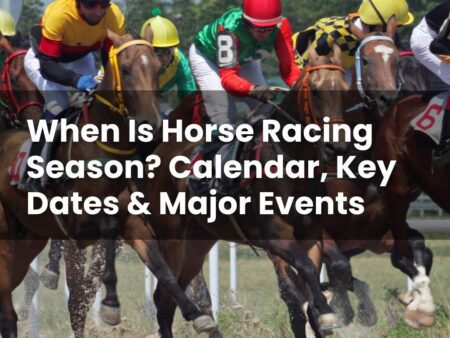
Horse racing fans often wonder whether professional jockeys may place bets, including on the races they ride in. The rules might appear complex, particularly given how closely the sport is monitored.
Understanding the boundaries for jockeys may help fans see how fairness is maintained, from the weighing room to the winner’s enclosure.
This blog post outlines the restrictions on jockey betting, why they exist, the consequences of breaking them, and whether jockeys may gamble on other sports.
Read on to learn more.
Can Jockeys Bet On Horse Races?
Jockeys face strict limitations on betting in horse racing. They are not permitted to place bets on races they ride in or, in many cases, any horse race at all.
This includes any direct involvement in betting, and in practice, jockeys are also expected to avoid sharing any sensitive information that might affect the outcome of a race.
So, if you are betting, this is a boundary that jockeys must observe at all times.
The rules may appear stringent, but they are designed with a clear purpose. To understand why, it helps to look at the regulatory framework in the UK.
UK Rules On Jockey Betting And Racing Integrity
The British Horseracing Authority (BHA) regulates racing to maintain credibility and public trust. Its rules forbid jockeys from betting on horse races, either directly or indirectly.
Earlier, we mentioned jockeys should avoid sharing sensitive information. Inside information includes details about a horse’s condition, recent training setbacks, equipment changes, or tactical plans that have not been officially disclosed. Sharing such information for personal gain is prohibited.
The combination of betting restrictions and confidentiality obligations helps ensure that jockeys remain focused on their professional role rather than influencing outcomes for personal advantage.
Why Are Jockeys Restricted From Betting?
The reason for these restrictions relates to the influence a jockey might have on a horse during a race. Even the suggestion of betting might undermine trust in results. By preventing jockeys from wagering, the sport avoids conflicts that may affect owners, trainers, or hypothetical punters.
Inside information, as discussed earlier, might also affect betting markets. By not allowing jockeys to use it for financial advantage, the rules support fair competition and transparency.
In short, these limitations protect the credibility of results and help ensure that races reflect skill and performance on the day.
Penalties For Jockeys Who Break Betting Rules
Breaking the betting or information-sharing rules may result in serious consequences. The BHA may impose fines, suspensions, long bans, or even withdraw a jockey’s licence. Earnings such as riding fees or prize money might also be affected if a breach is connected to race outcomes.
Written rulings from disciplinary hearings reinforce transparency and act as a deterrent. Beyond formal sanctions, reputational damage might affect future riding opportunities, relationships with trainers or owners, and sponsorships.
Even minor breaches are treated seriously if they cast doubt on the integrity of races or hypothetical betting outcomes.
Can Jockeys Bet On Other Horse Races Or Sports?
We have emphasised that jockeys cannot bet on horse racing. This restriction is absolute, regardless of location or whether the jockey is riding.
When it comes to other sports, such as football or tennis, rules are not set by the BHA. In these situations, jockeys should refer to employment contracts or professional codes of conduct to determine if wagering might be permitted.
If a jockey chooses to bet on other sports, it is important to do so responsibly. Keep stakes within personal limits, treat gambling as entertainment, and avoid spending more than can be afforded. Organisations such as GamCare and GambleAware offer confidential support for anyone facing gambling-related difficulties.
Maintaining a clear separation between riding duties and any betting activities helps maintain horse racing’s credibility. Jockeys cannot bet on horse racing, and this firm boundary supports the sport and all involved.